
Our latest research, just published online in the American Journal of Epidemiology, suggests that higher levels of tree canopy cover helps prevent injurious pedestrian falls. The research found that during summer months, locations on streets and sidewalks where pedestrians fell and suffered an injury were less likely to be shaded by trees than matched control locations.
Indoor falls have been well studied and there are multiple sets of guidelines to prevent these falls. However, outdoor pedestrian falls have received far less attention, despite accounting for an estimated half a million injurious incidents in the U.S. each year. In our previous work we showed the high burden and morbidity associated with outdoor falls on streets and sidewalks. Walking has multiple health benefits, but among older adults fear of falls is often cited as a barrier to engaging in walking.
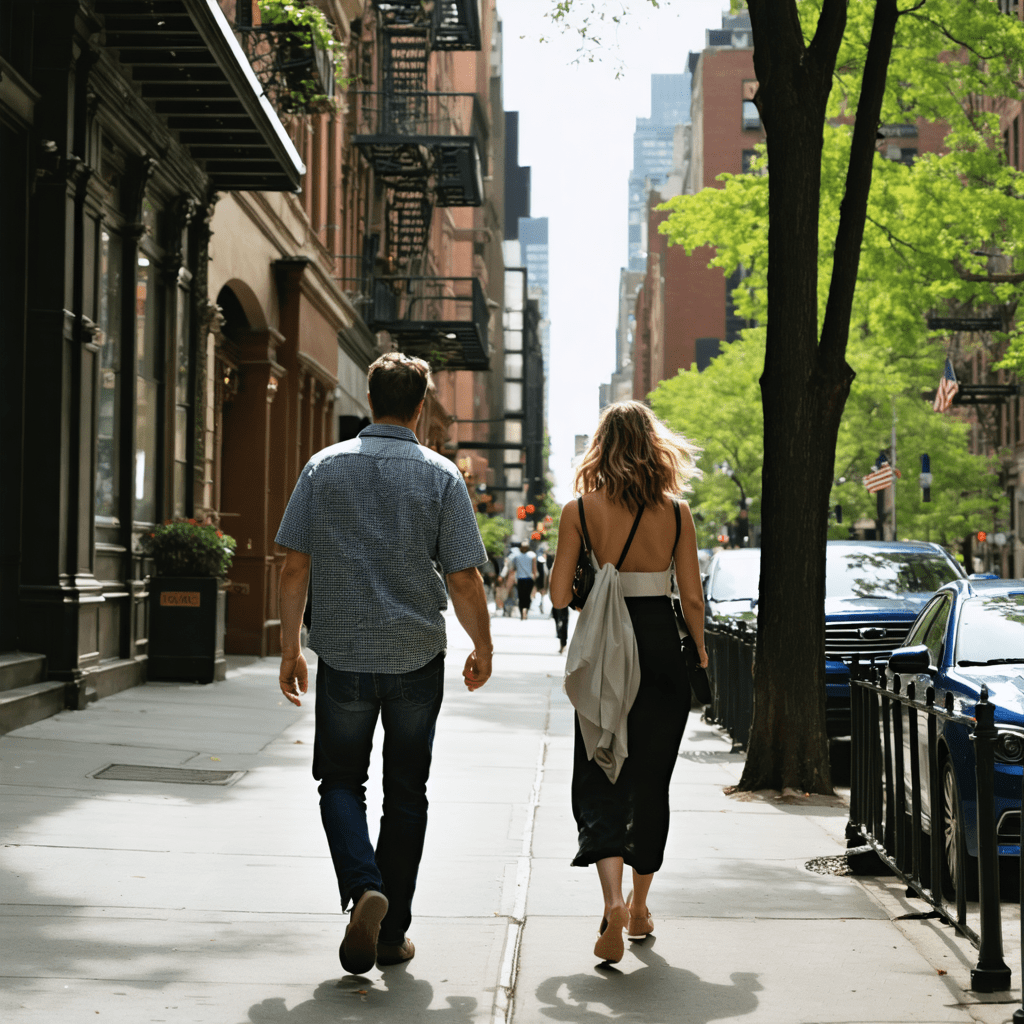
We analyzed data on tree canopy cover at 497 locations where Emergency Medical Services attended to pedestrians injured in a fall between April and September 2019 and at 994 carefully matched control locations. Tree canopy cover at each location where an injurious fall occurred and at matched control locations was measured using the 2019 National Land Cover Database. Average tree canopy cover at fall locations was 8 percent, compared with 14 percent at control sites. In adjusted analyses higher tree canopy cover was inversely associated with fall locations (adjusted OR across the inter-quartile range of canopy cover = 0.57, 95% CI: 0.45, 0.74).
Many cities have tree planting campaigns, particularly street trees, but these campaigns are controversial because street trees can cause sidewalk damage, and residents worry that this damage will increase the risk of falls. In many areas home/building owners are responsible for sidewalk maintenance and are liable if someone falls on the sidewalk in front of their building. Our work provides new evidence that urban trees, perhaps through cooling the local ambient environment, contributes to pedestrian safety. High temperatures can increase fall risk by adversely affecting human physiology and by degrading road and sidewalk surfaces. High heat softens asphalt and causes sidewalk pavers to pop out of alignment creating trip and fall hazards. The work we present in AJE supports cities’ initiatives to expand the urban forest and tree canopy cover.


 Built Environment and Health Research Group